
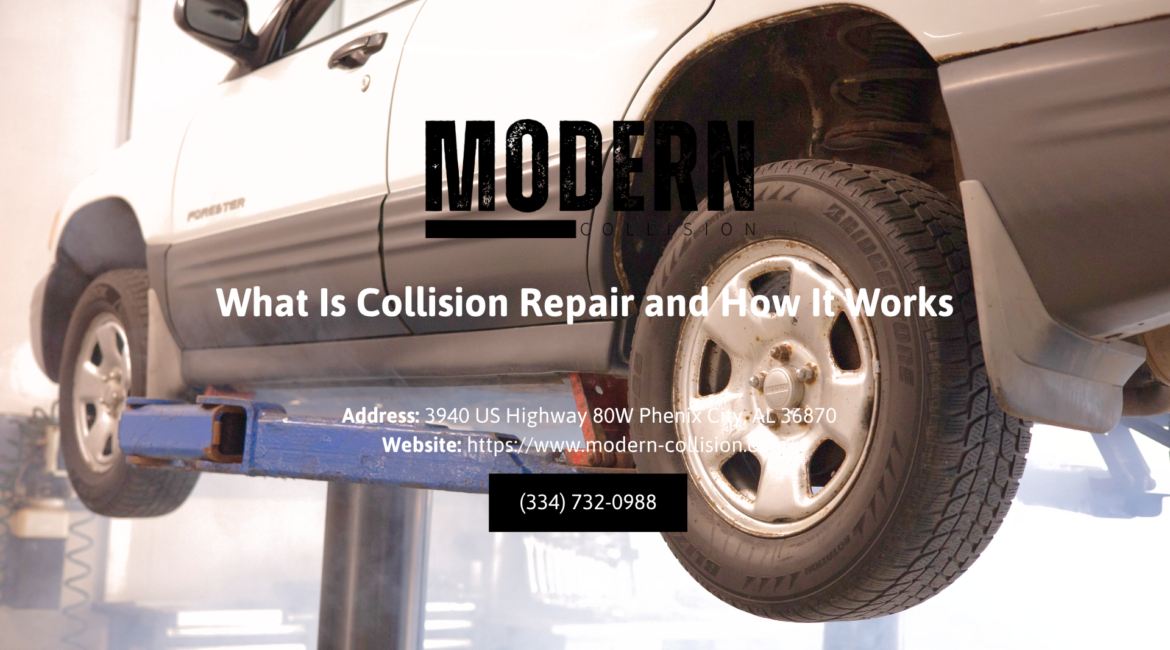
Collision repair is the process of restoring a vehicle after an accident by repairing body damage, structural components, mechanical systems, and safety technology. The repair process can include damage assessment, disassembly, frame or unibody repair, refinishing, reassembly, ADAS calibration, and final testing to return the vehicle as closely as possible to its pre-accident condition.
Table of Contents
ToggleKey Takeaways
- Minor cosmetic collision repairs can take as little as 2 days, while structural or frame damage can take several weeks.
- I-CAR Gold Class recognizes collision repair businesses that meet ongoing training requirements for their technicians.
- ADAS calibration can use static or dynamic procedures to restore camera and sensor alignment after a collision.
- OEM-certified collision repair programs for brands such as Tesla, Ford, and GM follow manufacturer-specific repair procedures.
- Insurance supplements can address hidden damage discovered after disassembly changes the original repair estimate.
What Is Collision Repair?
Collision repair restores a car, truck, or SUV to its pre-accident condition after vehicle damage from an accident. It covers original safety systems, structural integrity, and cosmetic condition. It’s broader than dent removal because it can include mechanical restoration and hidden damage correction.
Collision repair starts with a damage assessment that looks at visible and hidden damage. Technicians use that inspection to build a repair estimate and map the work. The service often includes body panels, refinishing, glass repair, and frame-related corrections. It can also restore suspension, cooling, and other components damaged in the crash. That scope makes it different from routine maintenance. Collision repair is a post-accident restoration process, not a normal wear service.
What Does Collision Repair Include?
Collision repair can include damage assessment, disassembly, body-panel repair or replacement, refinishing, glass work, mechanical restoration, and correction of hidden damage. The process starts with visible damage and then checks hidden damage behind panels and trim. Paintless dent repair (PDR) can handle certain minor dents without disturbing the factory paint.
Damage assessment comes first, and disassembly follows it. Taking the vehicle apart often exposes damaged brackets, wiring, or internal structure that the exterior hid. That step helps the shop write a more accurate repair estimate. Refinishing includes sanding, priming, and painting repaired or replaced panels. Paint matching matters because the new finish should blend with the rest of the vehicle.
Glass repair can replace cracked windshields or shattered windows, and body panels may need repair or replacement. Paintless dent repair can be a faster alternative to traditional bumper or panel repair for small dents when the paint and clear coat remain intact, since PDR preserves the original factory finish and traditional panel repair may require refinishing to blend the new paint. The method preserves the original factory paint when the dent shape allows it, which avoids the color-matching process associated with a traditional repaint.
How Does The Collision Repair Process Work?
The collision repair process starts with a detailed blueprint and repair estimate, then moves into disassembly, structural work, paint, reassembly, and final testing. Each stage reveals more about the true scope of damage. Hidden damage often changes both time and cost.
Disassembly helps technicians find internal structural or mechanical issues hidden by body panels. The shop can then plan frame straightening, replacement parts, and refinishing in the correct order. That sequence reduces rework and supports repair quality. Frame straightening uses heavy machinery and alignment systems to return the vehicle to manufacturer specifications. Modern unibody construction demands precise measurements, so computerized frame measurement often guides the repair. The goal is factory tolerance, not rough alignment.
Collision repair technicians complete reassembly after body, structural, and paint work ends. Final testing then verifies electronics, fitment, and safety systems before the vehicle returns to the owner. That testing helps confirm repair quality and function.
“Collision repair is the process of restoring a vehicle after an accident, including body, frame, and safety-system work. The technician should verify fit, finish, and electronic function before delivery.” – Modern Collision team
The repair sequence matters because structural alignment, replacement parts, refinishing, electronics, and safety-system checks must be completed in the appropriate order before final delivery.
What Is The Difference Between Collision Repair And Structural Repair?
Collision repair is the full post-accident restoration process, while structural repair focuses on bent frame rails and unibody components. Cosmetic repair handles exterior parts, structural repair corrects alignment, and mechanical restoration handles crash-damaged systems. The main difference is scope.
| Term | What It Means |
|---|---|
| Collision Repair | Broad post-accident restoration, including cosmetic, structural, and mechanical work |
| Structural Repair | Corrects bent frame rail and unibody components |
| Unibody | Integrated body and frame design used by most modern vehicles |
| Frame Straightening | Uses heavy machinery and alignment systems to reach manufacturer specifications |
| Computerized Frame Measurement | Supports precise alignment toward factory tolerance |
Structural repair matters most when impact bends the frame or unibody. Most modern vehicles use unibody construction, so precise alignment is critical. The repair must return the body structure to manufacturer specifications. Collision repair can still include cosmetic repair and mechanical restoration even when the structure remains intact. Body panels, bumpers, and fenders may need refinishing or replacement. Suspension and cooling parts may also need work if the crash damaged them.
Frame straightening relies on specialized pulling equipment and alignment systems. That equipment helps correct the structure without guessing. The process supports safety, panel gap consistency, and overall repair quality.
How Does Collision Repair Restore Safety Systems And ADAS?
Collision repair restores safety systems by checking airbags, seatbelts, sensors, and cameras, then performing ADAS calibration when needed. Pre-repair and post-repair scans help identify fault codes and verify the fix. Electronics matter as much as body fit.
ADAS calibration is required after many collisions because sensors and cameras can shift or lose alignment. The shop may use static or dynamic calibration methods, depending on the system. Final testing should confirm that the electronics and safety systems function correctly. Safety systems are not complete if the exterior only looks repaired. The repair must also support crash protection and driver assistance features, including the diagnostic scan, calibration, and verification steps.
What Is The Difference Between A Collision Center And An Auto Repair Shop?
A collision center specializes in collision repair and body damage, while an auto repair shop handles routine mechanical issues from normal driving. An auto body shop is synonymous with a collision center. The biggest difference is exterior and structural work versus general mechanical service.
Collision centers handle body panels, refinishing, glass repair, and structural repairs after a crash. They also address crash-damaged suspension or cooling parts when needed. That work requires tools for panel alignment, paint matching, and frame straightening. Auto repair shops focus on engines, brakes, belts, and other wear items. They support routine mechanical restoration, but they don’t usually handle full collision damage. The shop type matters when the repair involves unibody or ADAS calibration work.
How Long Do Collision Repairs Usually Take?
The collision repair timeline depends on the repair estimate, hidden damage, and parts availability. Minor repairs can be completed in as fast as 2 days, while structural or frame damage typically takes several weeks. Delays often come from parts or hidden damage.
Minor repairs can include small dents, scratches, and bumper replacements. Major repairs often involve frame damage, multiple systems, or extensive refinishing. The estimate sets the initial timeline, but disassembly can extend it. Parts availability affects both repair cost and duration. Replacement panels and electronic components sometimes take longer to source. A more complete inspection at the start usually reduces surprises later.
Who Performs Collision Repair And What Does I-CAR Gold Class Mean?
Collision repair technicians perform the reassembly after structural and paint work. OEM-certified repair follows manufacturer standards and uses approved parts and procedures. I-CAR Gold Class is a training and qualification marker for collision-repair teams.
Technicians who hold strong training credentials can better handle unibody repair, ADAS calibration, and reassembly. Those tasks require more than basic mechanical skill. They also require familiarity with repair procedures and factory tolerance targets. OEM-certified repair matters because manufacturer standards guide how the vehicle returns to service. The shop should understand the OEM position statement when it applies. That helps the repair align with approved methods and parts.
Is Collision Repair Covered By Insurance?
Insurance often plays a role in collision repair claims after an accident. An adjuster usually helps evaluate damage, review the estimate, and process supplements when hidden damage appears. Coverage details depend on the policy and the claim.
The supplement process matters when disassembly reveals more damage than the first estimate showed. The adjuster may review added parts, labor, or scanning work before approval. That process helps align the claim with the actual repair scope. Repair records, photos, and scans support the estimate.
What Should You Know Before Choosing A Collision Repair Shop?
A collision repair shop should explain the estimate, repair plan, and supplement clearly. It should also discuss OEM parts, OEM position statements, pre-repair scan, post-repair scan, ADAS calibration, and final testing. Those details help show how the shop handles repair quality.
The shop should be able to explain whether it follows manufacturer standards on the specific vehicle. It should also explain how it handles sectioning, MIG or STRSW welding, blend panel work, and paint matching when those repairs apply. Those terms often reveal the shop’s process depth.
For drivers researching collision repair in Phenix City, the repair facility’s process matters more than a short verbal estimate. A useful evaluation should focus on documented inspection procedures, repair methods, parts, scanning, calibration, and final quality checks.
Repair Checklist for a Collision Claim
- Repair Estimate: The estimate should list visible damage, hidden damage, and any supplements tied to disassembly.
- Scans: The shop should explain pre-repair and post-repair scans for safety systems and ADAS calibration.
- Parts: The estimate should identify OEM parts, aftermarket parts, or repaired panels where applicable.
- Testing: Final testing should verify fit, panel gap, electronics, and safety-system function.
Looking for a Trusted Collision Repair Shop in Phenix City, AL?
Choosing the right collision repair shop in Phenix City, AL can make a significant difference in the safety, quality, and longevity of your vehicle after an accident. A proper repair should address more than visible dents and scratches, including structural damage, mechanical components, safety systems, diagnostic scans, ADAS calibration, and final quality testing.
Modern Collision in Phenix City, AL provides professional collision and structural repair with a focus on proper repair procedures, manufacturer standards, and vehicle safety. Before approving repairs, ask about OEM requirements, parts, technician training, pre- and post-repair scans, ADAS calibration, and how hidden damage and insurance supplements are handled.
If your vehicle has been damaged in a collision, Modern Collision can provide a professional damage assessment and repair estimate in Phenix City, AL. A thorough inspection can help identify hidden damage and ensure the repair plan addresses both appearance and safety, from the initial estimate through final testing.
Frequently Asked Questions
What kinds of damage does collision repair fix?
Collision repair can address body panels, glass, structural components, crash-related mechanical issues, refinishing, and affected safety systems. The repair scope depends on the initial damage assessment and what technicians discover during disassembly. Some vehicles may also require diagnostic scanning or ADAS calibration when collision damage affects sensors, cameras, or related systems.
Does collision repair always require frame straightening?
No, collision repair does not always require frame straightening. Frame work applies when the frame rail or unibody is damaged beyond the applicable OEM tolerance. Minor dents and bumper damage may only need body repair, refinishing, replacement, or PDR, depending on the condition of the vehicle and the repair procedure specified for the damaged component.
Why are pre-repair and post-repair scans important?
Pre-repair and post-repair scans help identify diagnostic trouble codes and verify affected electronic systems after repairs. These scans can support the inspection of airbags, seatbelts, sensors, and ADAS-related systems. Modern vehicles may require electronic verification in addition to physical inspection and body repair.
What does I-CAR Gold Class tell drivers?
I-CAR Gold Class indicates that a collision repair business meets I-CAR’s ongoing training requirements for its technicians. It provides evidence of a structured training commitment, but it does not replace vehicle-specific manufacturer repair procedures. OEM requirements may still apply to structural repairs, parts, welding, scanning, or ADAS calibration.
Can insurance cover a supplement after hidden damage is found?
An insurance claim may include a supplement when disassembly reveals damage that was not included in the original estimate. Examples can include damaged frame components, brackets, wiring, or replacement parts discovered after panels are removed. The insurer or adjuster generally reviews the additional labor and parts before the revised claim amount is approved.
About the Author
Modern Collision is based in Phenix City, AL, with 27 years of experience in collision repair and structural repair. The shop holds numerous OEM certifications and follows I-CAR Gold Class training standards.
Last updated: August 2026